14 JANUARY 2026 · 8 MIN READ
Fly into Milan in late April and look down. The land west of the city has dissolved into sky — hundreds of square kilometres of flooded paddy reflecting cloud, so that farmers here speak of il mare a quadretti, the checkerboard sea. This is the Po Valley, the great alluvial plain that runs from the Alps to the Adriatic, and it has grown rice since the fifteenth century, when the dukes of Milan first channelled Alpine meltwater into the flat, thirsty fields around Vercelli and Novara.
The engineering came before the cuisine. A lattice of canals — most famously the Canale Cavour, cut in the 1860s and still carrying the Po’s water across the plain — allowed farmers to flood their fields precisely, insulating the young shoots against the spring cold. Around the water rose the cascine: vast, fortified farm courtyards that housed families, animals, granaries and, for a century, the mondine, the women who waded in to weed the paddies by hand and whose songs became part of the region’s memory.
Milan grew rich on many things, but it learned to eat from this plain. Risotto alla milanese — rice, saffron, bone marrow, broth — is less a recipe than a treaty between a city and its hinterland. The dish is impossible without a very particular kind of grain, and Italy, characteristically, wrote that particularity into law.
A Grain, Graded
Italian rice is classified by the shape and size of its kernel: comune, semifino, fino and, at the summit, superfino — the longest, plumpest grains, the ones capable of the alchemy risotto demands. Arborio, named for a small town in the province of Vercelli, is the most famous of the superfino varieties, alongside its aristocratic cousins Carnaroli and Vialone Nano (the latter, strictly, a semifino with a cult following in the Veneto).
What makes these grains special is architecture. Each kernel carries a high load of amylopectin, the soft starch that dissolves outward during cooking to create risotto’s signature cream, wrapped around a firm heart that stays al dente. Stir a pot of Arborio for eighteen minutes and you are conducting a controlled surrender: the outside gives, the centre holds. Long-grain rice cannot do this. It was never asked to.
The grading matters because risotto is unforgiving. A broken or chalky kernel releases its starch too early and turns the pot gluey; a superfino designation is, in effect, a promise that the grain will keep its composure under twenty minutes of heat and attention.
The Calendar of Water
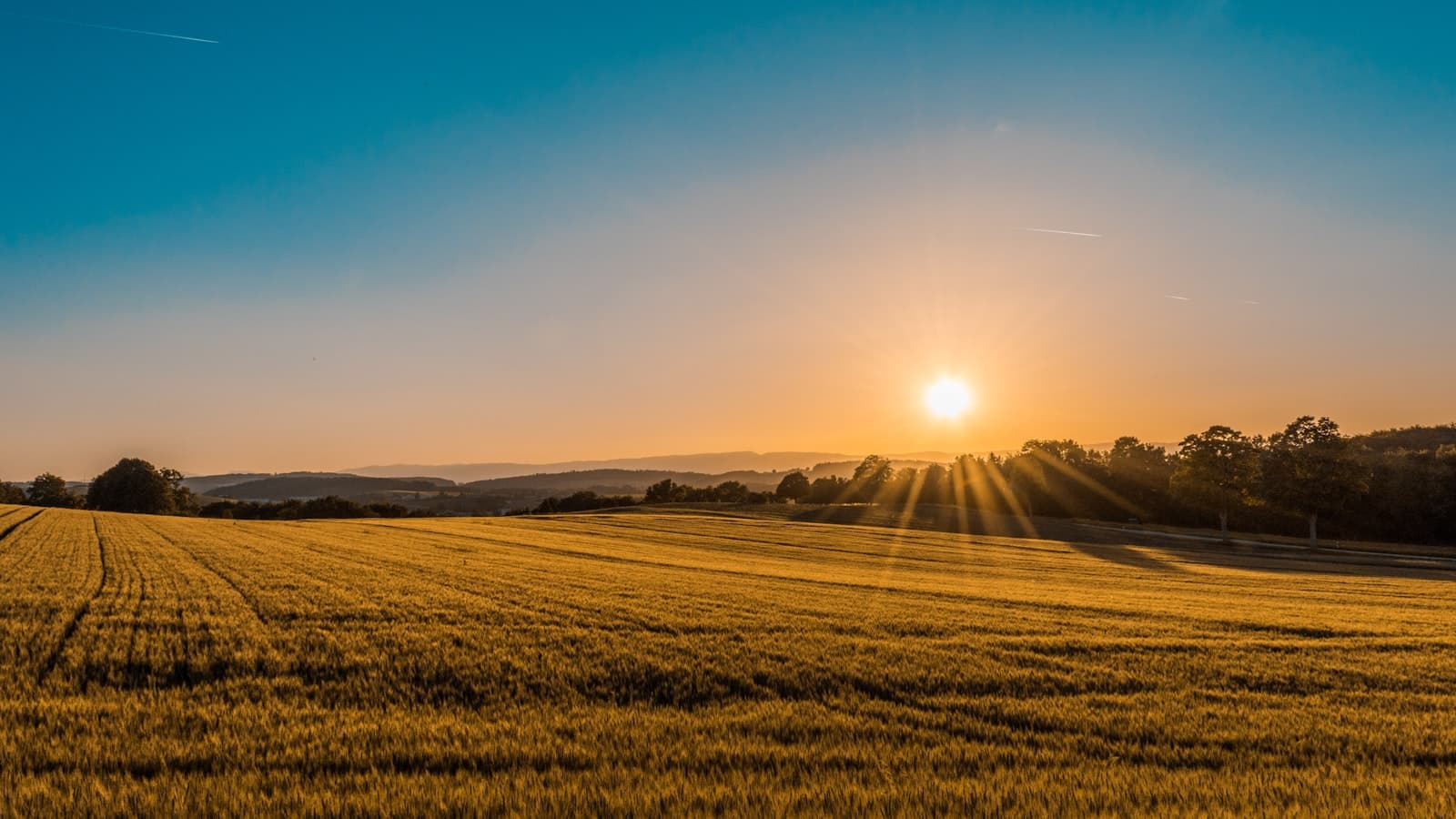
Rice in the Po Valley keeps an old agricultural clock. The fields are laser-levelled and sown in April, flooded through the cold nights of May, then slowly drained as summer thickens the stalks. By late August the water is gone and the paddies have turned from mirror to gold. Harvest comes in September and October, when combines move through fields that crackle underfoot, and the grain — still in its husk, still called risone — is dried gently to preserve the kernel intact.
Then it rests. Good producers age their rice for months before milling, the way a cellar ages wine, because a rested grain absorbs broth more evenly and holds its bite longer. Only after ageing is the husk removed, the grain whitened or left semi-integrale, and the crop finally graded, packed and released into the world’s kitchens.
When you tip Arborio into a warm pan and hear it click against the metal — the tostatura, the toasting that every Lombard cook performs before the first ladle of broth — you are handling the end of an eighteen-month conversation between water, plain and patience. Milan was built on quieter things than fashion. This grain is one of them.