3 MARCH 2026 · 8 MIN READ
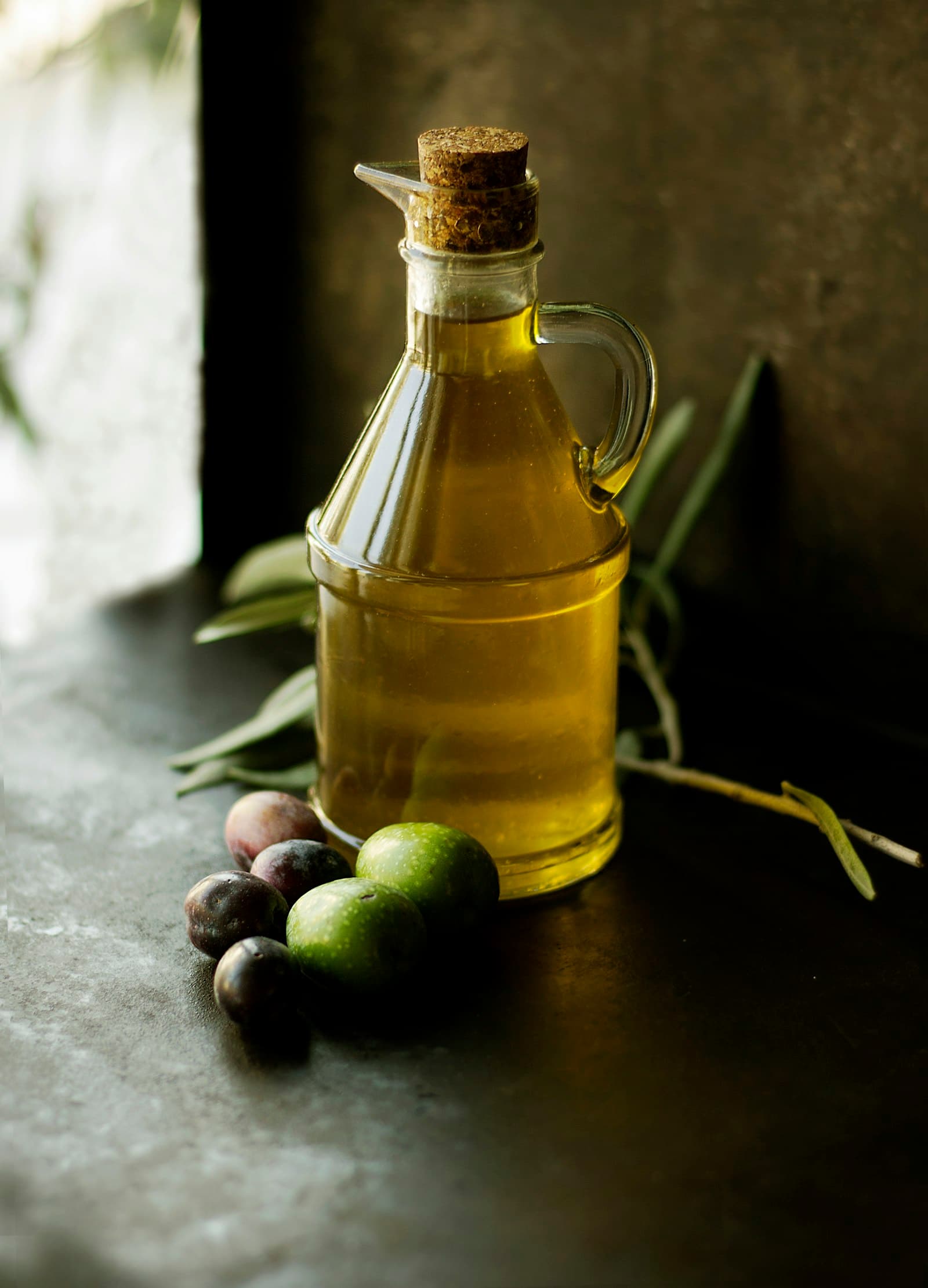
Here is the fact that reorganises everything else: extra virgin olive oil is fruit juice. Not an extract, not a distillation — juice, pressed from a fresh fruit at a single moment in the year, and subject to everything that governs fruit: weather, ripeness, variety, and time. A wine drinker takes vintage for granted. An oil buyer rarely thinks of it at all, which is how bottles with no harvest date and no provenance colonised the world’s shelves.
In Italy the harvest — the raccolta — runs roughly from October to December, moving with latitude and altitude. In those weeks the mills, the frantoi, run around the clock, because the arithmetic of quality is brutal: olives begin to degrade the moment they leave the tree, and the best producers press within hours of picking. The oil that emerges, cloudy and green and almost angrily fresh, is olio nuovo — the new oil, celebrated across the peninsula with the reverence other regions reserve for new wine.
Everything after that moment is decline, managed gracefully or not. Which is why the single most useful thing on any label of serious oil is a date.
The Case for Picking Early
An olive left to ripen fully turns black, soft, and generous — it yields more oil, which is why bulk producers wait. An olive picked early, still green or just turning, yields less but gives an oil dense with polyphenols: the antioxidant compounds responsible for both the oil’s celebrated health profile and its most vivid sensations. That peppery catch at the back of the throat — Tuscans call the double-cough it provokes a badge of honour — is a polyphenol called oleocanthal announcing itself. Bitterness, in olive oil, is not a flaw. It is evidence.
Early-harvest oil is therefore an economic sacrifice made in public. The producer accepts a smaller crop in exchange for intensity, structure, and longevity, because polyphenols also act as the oil’s own preservative. When you taste an oil that is grassy, bitter, and pungent, you are tasting a decision made in October.
Ripeness has its school too — later-picked oils are softer, rounder, kinder to delicate fish — but softness is easy to make and easy to fake. The green, peppery style is the one that cannot be counterfeited by blending and deodorising, which is precisely why it commands the price it does.
Reading the Label
Start with the harvest date — not the best-before date, which producers may set generously, but the words raccolta or harvest followed by a year. A serious bottle states it plainly; its absence is an answer in itself. An extra virgin oil is at its best within roughly eighteen months of pressing, and at its most expressive in the first year.
Then look for where, precisely. “Product of Italy” can lawfully describe oil merely bottled there; the phrases that matter are a named estate, a single region, and above all the European designations — DOP, denominazione di origine protetta, and IGP — which tie the oil to a defined territory and its traditional olive varieties, from Coratina in Puglia to Frantoio and Moraiolo in Tuscany. Cold extraction should be stated; “extra virgin” itself guarantees the oil was obtained mechanically, without chemical refinement, and passed both laboratory and taste-panel scrutiny.
A cultivar named on the label is the final good sign. Like grapes, olive varieties have personalities — Coratina is a bruiser, Taggiasca from Liguria almost sweet — and a producer who names the variety is inviting you to taste the difference, and to come back for it.
Keeping It Alive
Olive oil has three enemies: light, heat, and air. This is why good oil comes in dark glass or tin, and why the worst place in the kitchen to keep it is the most common one — the shelf beside the stove, warm and bright. A cupboard at cellar-ish temperature, away from the oven, is ideal. Cap the bottle promptly; oxygen works quickly on an open oil.
Do not refrigerate it — the oil will cloud and stiffen harmlessly but pour badly — and do not hoard it. An open bottle wants to be finished within a couple of months, which is an argument for buying the size you will actually use, and for using it with abandon: over beans, over bread, over soup in a ribbon at the last moment, where heat cannot flatten what October built.
The habit to unlearn is treating a great bottle as too precious to open. Oil is not wine; it does not improve in the bottle, it only waits and fades. The kindest thing you can do to a beautiful oil is pour it — this year.