29 MARCH 2026 · 7 MIN READ
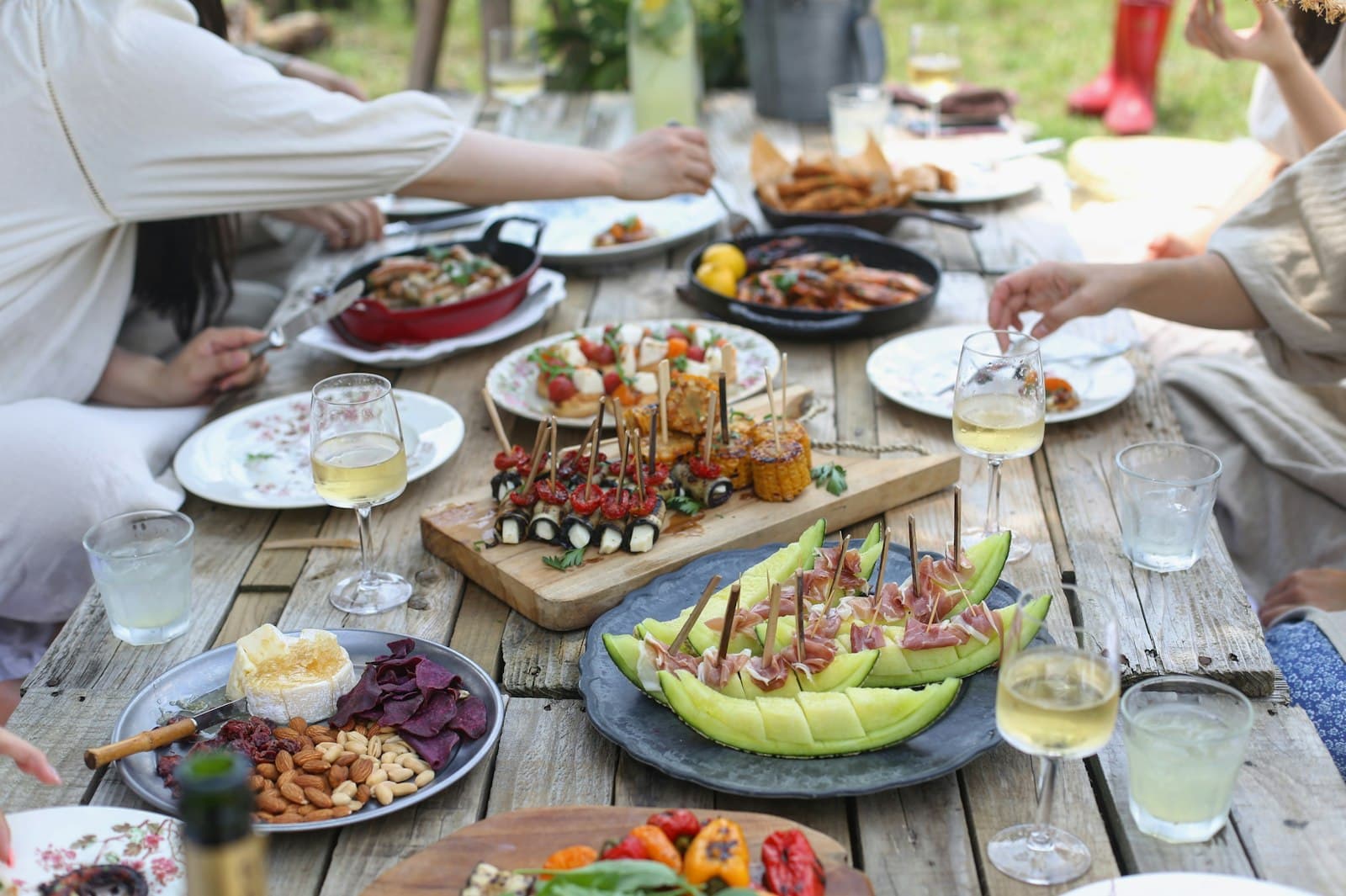
There is a specific quality of light that belongs to half past three on an Italian Sunday afternoon: low, gold, falling across a tablecloth that has seen three courses come and go and is in no hurry to see the fourth. The pranzo della domenica — Sunday lunch — is the week’s true architecture. Offices close, phones go quiet, and three or four generations fold themselves around a table for hours, not because the food requires it but because the family does.
The meal itself follows a liturgy: antipasti that arrive before anyone has quite sat down; a primo of pasta or risotto, often the dish the household is silently judged by; a secondo with its vegetables; then fruit, then dolce, then coffee, then — for those still standing — a small glass of something bitter, on the theory that the meal deserves a proper ending rather than a mere stop. Nobody rushes, because rushing would miss the point. The food is the occasion’s language, not its purpose.
What looks like indulgence is actually infrastructure. The long table is where family news is exchanged, alliances repaired, children absorbed into the adult world one overheard story at a time. Italy did not invent eating together. It simply refused, longer than most, to give it up.
A Philosophy With a Snail for a Crest
In 1986, when a fast-food chain proposed to open beside the Spanish Steps in Rome, a food writer from Piedmont named Carlo Petrini organised a protest that involved, memorably, bowls of penne. Out of that gesture grew Slow Food, a movement founded in the town of Bra in 1989, which took a snail as its emblem and three words as its creed: good, clean, and fair. Food should taste of something, be grown without wrecking the place it comes from, and pay the person who grew it decently.
Slow Food’s real insight was that pace and quality are connected. A tomato bred for shipping, a cheese hurried through its ageing, a lunch eaten standing up — each is the same compromise wearing different clothes. The movement now works in more than a hundred countries, cataloguing endangered foods and defending small producers, but its founding image remains domestic: a table, some time, and people who intend to use both.
You do not need to join anything to practise it. The membership fee is an afternoon.
What India Already Knows
An Indian reader will recognise nearly all of this, because India runs on its own slow tables. The Sunday afternoon that dissolves into stories over dal and rice; the wedding feast that is really a three-day negotiation between families; the thali’s quiet insistence — like the Italian menu’s — that a proper meal is a sequence of small, balanced things rather than one large one. The grandmother who measures nothing and forgets nothing. The absolute impossibility of leaving without eating.
Both cultures treat feeding people as a moral act, not a logistical one. Both are suspicious of the solitary meal. Both built their greatest dishes not in restaurants but in homes, and both are watching those homes speed up — the metro city’s delivery apps and desk lunches pressing against the old rhythm in Mumbai and Milan alike.
Which is why the slow table matters now more than it did when it was merely normal. It is no longer the default; it is a decision. Cook one long lunch a week. Invite more people than is convenient. Put the phones in another room and let the afternoon go where it wants. The Italians and the Indians arrived at the same discovery from opposite ends of the spice route: the point of the table was never the food. It was the time.